The rise and evolution of casinos a historical perspective
The rise and evolution of casinos a historical perspective
The Origins of Gambling
The concept of gambling has existed for thousands of years, with the earliest recorded instances traced back to ancient civilizations. Archaeological findings suggest that as early as 3000 BCE, Chinese cultures were engaging in activities that involved chance, using rudimentary dice made from materials like bones. Additionally, the Romans had their own gambling games, often played during gatherings and public events, which laid the groundwork for more structured gaming environments. If you’re interested in enhancing your experience, check out https://redline.com.tr/2026/03/27/maximize-your-odds-essential-tips-for-casino/ for valuable insights.

As societies evolved, so did the complexity of gambling. By the Middle Ages, Europe saw the establishment of betting houses, where people could place wagers on various events. The transformation of gambling from informal, spontaneous activities to organized games marked the first steps toward the casinos we know today.
The Birth of Modern Casinos
The modern casino as we understand it began to take shape in the 17th century. The first official gambling house, the Ridotto, opened in Venice in 1638, providing a controlled environment for players seeking entertainment. This establishment set the stage for other European cities to create their own casinos, each attracting nobles and wealthy patrons eager for both gaming and socializing.
The rise of these establishments was not without controversy. Governments grappled with the implications of gambling on society, leading to various regulations. However, the allure of the casino continued to grow, particularly in France, where the “French” games, such as roulette, gained immense popularity and became staples of the gaming world.
The American Casino Boom
The 19th century marked a significant turning point for casinos, especially in America. The Gold Rush of the 1840s saw a proliferation of saloons and gambling houses in burgeoning towns, where miners and adventurers sought fortune. As cities like New Orleans and San Francisco flourished, gambling became a central form of entertainment, leading to the establishment of larger, more formal casinos.
The legalization of gambling in Nevada in the early 20th century catalyzed the casino industry. Las Vegas, in particular, transformed from a desert outpost into a global gaming capital, attracting visitors with extravagant resorts and themed casinos. This shift showcased the marriage of entertainment and gambling, creating a new cultural phenomenon.
The Impact of Technology on Casinos
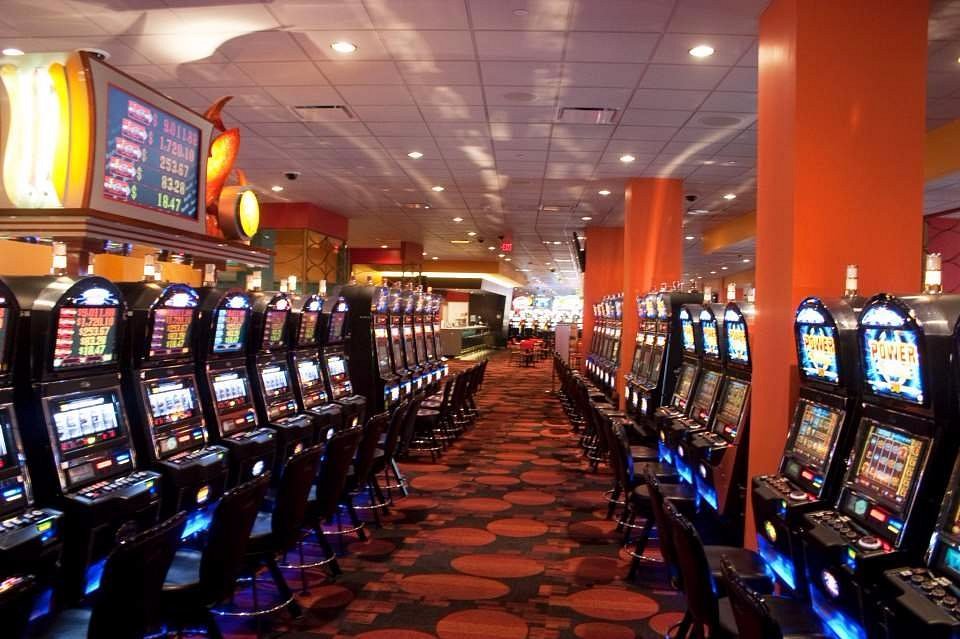
The late 20th and early 21st centuries witnessed an unprecedented technological revolution that significantly impacted the casino landscape. The introduction of electronic gaming machines, such as slot machines, revolutionized the gaming experience, offering players instant gratification and a plethora of gaming choices. This shift drew a more diverse crowd, expanding the appeal of casinos beyond traditional card games.
The advent of the internet brought online casinos into play, further transforming the gambling scene. Players could now enjoy their favorite games from the comfort of their homes. As online gambling grew in popularity, regulations and responsible gaming practices became essential to ensure player safety and maintain industry integrity.
Emphasizing Responsible Gambling
As the casino industry has expanded, the importance of responsible gambling has become increasingly apparent. Establishing practices that promote player well-being is crucial in mitigating the potential harms associated with gambling. Many casinos now integrate responsible gambling programs, providing resources and support for players to make informed decisions.
Websites dedicated to educating players about responsible gambling emphasize understanding odds, managing bankrolls, and recognizing signs of problematic behavior. By prioritizing these practices, the industry aims to create a sustainable environment where players can enjoy their experience while minimizing risks.